

PROOFS
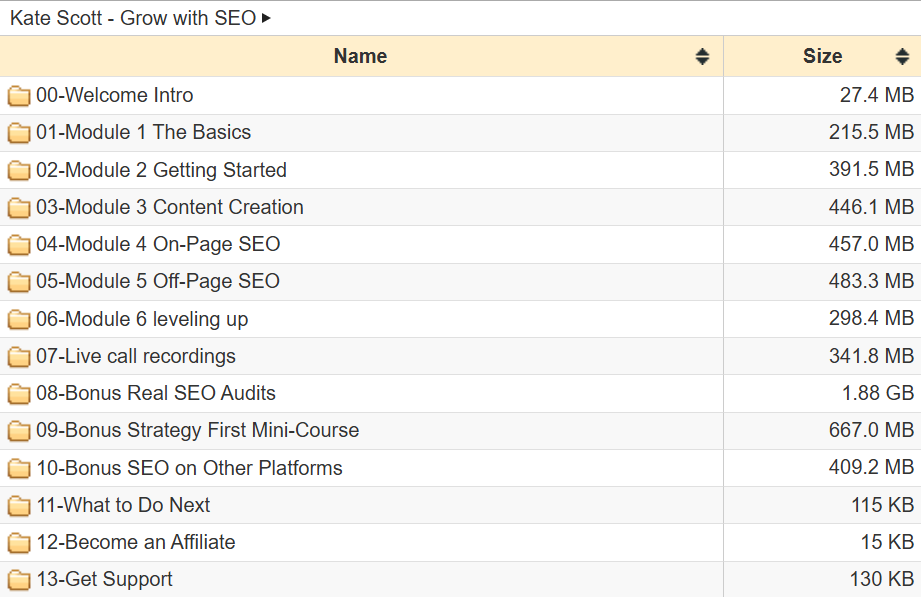
GET THIS COURSE FOR JUST $30
Official Price: $597
Our Price: $30
Email us if you want to buy it or contact us on chat!
Mastering SEO: Grow with Kate Scott
In today’s digital landscape, mastering the art of search engine optimization (SEO) has become essential for anyone looking to establish a strong online presence. Whether you are a small business owner, a blogger, or a digital marketer, understanding SEO can take your content from obscurity to visibility. This is where Kate Scott – Grow with SEO comes into play. In this blog post, we will explore the ins and outs of SEO, providing you with valuable insights, tips, and strategies to enhance your website’s rankings and reach your target audience effectively.
What is SEO and Why is it Important?
Search Engine Optimization (SEO) refers to the practices and techniques used to improve a website’s visibility on search engines like Google. With over 3.5 billion searches happening on Google each day, harnessing the power of SEO can bring an avalanche of organic traffic to your site. In fact, studies show that 70% of marketers see SEO as more effective than PPC advertising, proving that a well-optimized website can offer higher returns on investment over time.
Imagine throwing a party and only inviting a handful of people. This is similar to what happens when your content isn’t optimized—few people will find your “party.” SEO is like sending out invitations to the right audience, so they know where the party is!
The SEO Landscape: Key Components
As you embark on your journey with [Kate Scott – Grow with SEO], it’s critical to understand the foundational elements of SEO. These key components can be broadly categorized into three areas: On-Page SEO, Off-Page SEO, and Technical SEO.
On-Page SEO
On-page SEO involves optimizing individual web pages to rank higher and earn more relevant traffic. This includes:
- Keyword Research: Selecting the right keywords is crucial. Tools like Google Keyword Planner and Ahrefs can help you identify keywords that your target audience is searching for. For instance, a keyword with 1,000 monthly searches can drive substantial traffic if targeted correctly.
- Content Quality: Content is king! Producing high-quality, valuable content that answers user queries is paramount. Websites that regularly update their content see a 434% higher chance of being indexed by Google.
- Meta Tags: Craft compelling title tags and meta descriptions that not only include your target keywords but also encourage users to click through to your site. Remember, the first impression carries weight!
Off-Page SEO
Off-page SEO focuses on increasing the authority of your domain through the acquisition of backlinks. Backlinks are essentially “votes of confidence” from other sites. Here’s how you can build your off-page SEO:
- Guest Blogging: Writing articles for other reputable blogs in your niche helps establish credibility and provides an opportunity to include backlinks to your site.
- Social Media Engagement: Sharing your content on social media can increase visibility and drive traffic back to your site. In fact, 74% of marketers say they enjoy the benefits of increased traffic through social media platforms.
Technical SEO
Technical SEO refers to enhancing the technical aspects of your website to ensure it meets the requirements of modern search engines. Essential elements include:
- Website Speed: Google considers site speed as a ranking factor. A faster website improves the user experience, leading to lower bounce rates. According to Google, the ideal loading time is under three seconds.
- Mobile-Friendliness: With over 60% of searches happening on mobile devices, ensuring your website is mobile-friendly is non-negotiable. Utilizing responsive design can significantly enhance mobile usability.
- Sitemaps and Robots.txt: Implementing sitemaps helps search engines understand your site’s structure. The robots.txt file informs search engines what pages to crawl and index.
SEO Strategies for Growth
With the foundational concepts of SEO established, let’s dive into specific strategies that [Kate Scott – Grow with SEO] recommends for growth.
1. Focus on Long-Tail Keywords
Long-tail keywords are phrases that are typically three words or longer and cater to more specific topics. For instance, instead of targeting “SEO,” consider “best SEO practices for small businesses.” Long-tail keywords tend to have lower competition and a higher conversion rate since they attract users who know exactly what they’re looking for. Research shows that long-tail keywords account for 70% of all web searches!
2. Create High-Quality Content Consistently
Content should never be a one-and-done task. Establish a content calendar and commit to producing valuable, engaging content consistently. Blogs, infographics, and videos are all excellent ways to engage users and encourage shares, adding to your backlinks.
3. Leverage Local SEO
If your business caters to a specific geographic area, optimizing for local SEO is essential. This includes:
- Adding your business to Google My Business
- Ensuring your Name, Address, and Phone number (NAP) are consistent across all directories
- Encouraging client reviews to improve local search visibility
4. Analyze Your Competitors
Competitor analysis is key to understanding what works in your niche. Tools like SEMrush can help you identify your competitors’ keywords, backlink sources, and more. By analyzing their strategies, you can find gaps to exploit and position your brand competitively in the market.
5. Monitor and Adapt
SEO is a continuous learning curve. Regularly compare your site’s analytics through tools like Google Analytics and adjust your strategies accordingly. Identifying which content performs well, where traffic is coming from, and user behavior patterns will guide your future SEO efforts.