

PROOFS
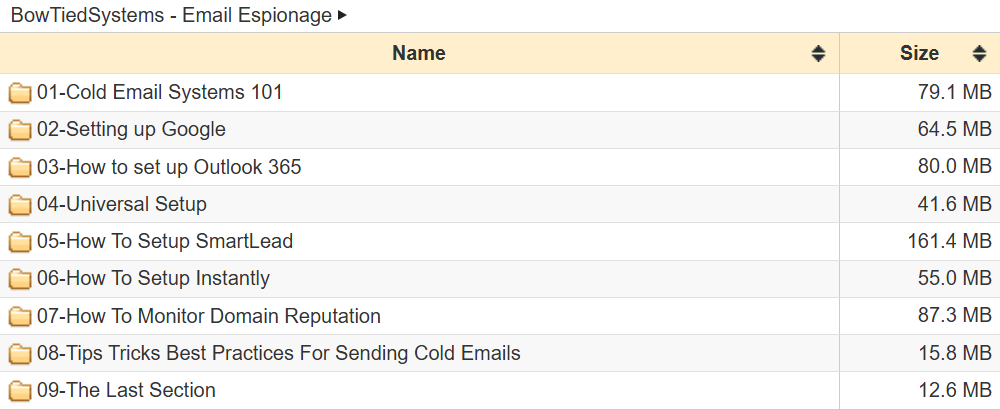
GET THIS COURSE FOR JUST $40
Official Price: $299
Our Price: $40
Email us if you want to buy it or contact us on chat!
Unlocking the Secrets of Email Espionage with BowTiedSystems
The digital age has transformed the way we communicate, allowing us to connect with anyone, anywhere, at any time. But with this convenience comes a darker side: email espionage. As email remains a primary mode of communication for both personal and professional matters, the risks associated with it have grown exponentially. BowTiedSystems has stepped up to the plate to address these concerns, providing tools and insights into understanding email espionage and, more importantly, protecting yourself from it. In this blog post, we will traverse the intricacies of email espionage while arming you with the knowledge you need to safeguard your information.
What is Email Espionage?
Email espionage refers to the unauthorized access or surveillance of electronic mail communications. It encompasses a range of activities, from simple eavesdropping on conversations to more complex hacking attempts where attackers gain full access to private email accounts. The motives behind email espionage can vary widely—corporate espionage, personal vendettas, or even identity theft.
According to a 2022 report from Cybersecurity Ventures, cybercrime is projected to cost the world over $10.5 trillion annually by 2025. Many of these instances will involve email as a vector for attack, underscoring just how important it is to understand these threats.
Recognizing the Threats: Common Techniques Used in Email Espionage
Understanding the tactics used by cybercriminals is important. Here are some common techniques that attackers use to infiltrate your email:
Phishing Attacks
Phishing remains one of the most common forms of email espionage. Attackers craft seemingly legitimate emails to trick recipients into revealing sensitive information, such as usernames, passwords, or credit card details. Research indicates that 1 in 99 emails is a phishing attack, showcasing the need for vigilance.
Spoofing
Email spoofing involves forging the sender’s address on an email to make it appear as if it’s coming from a trusted source. This method can be especially effective in corporate settings where trust is already established. According to a study by the Anti-Phishing Working Group, the number of phishing sites grew by 220% from 2018 to 2020, making awareness about spoofing techniques critical.
Keyloggers
Sometimes, the attack is less overt. Keyloggers are malicious software programs that record your keystrokes, capturing everything you type, including passwords and personal information. A study by ProPrivacy revealed that 70% of all data breaches can be traced back to phishing and malware attacks, highlighting the importance of a multi-faceted approach to email security.