

PROOFS
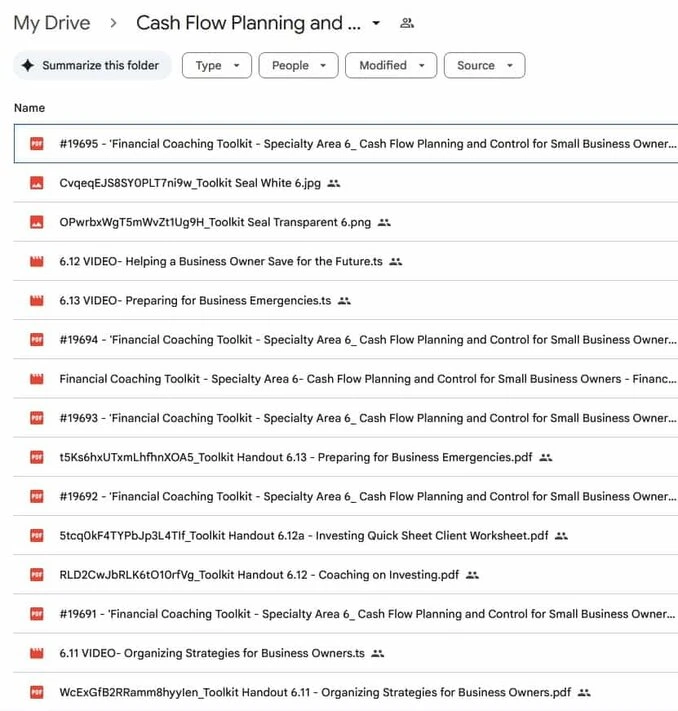
GET THIS COURSE FOR JUST $90
Official Price: $997
Our Price: $90
Email us if you want to buy it or contact us on chat!
Financial Coach Academy: Mastering Cash Flow Planning and Control for Small Business Owners
Introduction
Running a small business can often feel like navigating a chaotic circus. Just when you think you’ve tamed one act, another one pops up to steal the show—like managing cash flow. It’s no secret that cash flow is the lifeblood of any business, yet many owners find themselves wrestling with it. But fear not! The Financial Coach Academy – Cash Flow Planning and Control for Small Business Owners is here to help you untangle those financial knots.
In this comprehensive guide, we will explore the ins and outs of cash flow planning and control. Get ready to dive deep into terminology, data, and strategies that will transform your approach to handling money in your business. With a little bit of humor and a truckload of practical advice, let’s roll up our sleeves and get to it!
Understanding Cash Flow
What is Cash Flow?
Cash flow refers to the total amount of money being transferred into and out of a business. It’s crucial to recognize that cash flow isn’t just about sales and revenue—it’s about timing. A profitable business can still face financial issues if cash isn’t available when needed. According to a study, 82% of small businesses fail due to cash flow problems. This highlights why effective cash flow management is essential for any small business owner.
Types of Cash Flow
Understanding the different types of cash flow is fundamental. Here they are:
- Operating Cash Flow: This is the cash generated from the core activities of the business. It includes cash received from sales and cash paid for expenses.
- Investing Cash Flow: Cash flow related to purchases and sales of physical assets, investments, or securities.
- Financing Cash Flow: This pertains to cash movements from borrowing or repaying debts and issuing or paying off equity.
As a small business owner, honing in on your operating cash flow is vital—as it represents the financial health of your primary operations.
The Importance of Cash Flow Planning
Why Plan for Cash Flow?
Planning for cash flow is like mapping out your treasure hunt: if you don’t have a plan, you’ll likely end up lost in the jungle of expenses and invoices.
Here are a few reasons why cash flow planning is paramount:
- Anticipate Future Needs: Planning allows you to foresee any cash shortages before they occur, enabling timely action.
- Make Informed Decisions: With a clear picture of cash inflow and outflow, you can make better decisions regarding investments and expenditures.
- Improve Financial Stability: Consistent cash flow management fosters stability, giving you peace of mind to focus on growth.
Key Steps in Cash Flow Planning
- Forecast Your Cash Flow: Develop a cash flow projection by estimating your expected income and expenses for the coming months. This includes analyzing historical sales patterns and anticipating seasonal fluctuations.
- Track Actual vs. Projected: Regularly compare your actual cash flow with your projections. This helps in identifying discrepancies and adjusting your strategy accordingly.
- Manage Your Receivables: Efficiently managing accounts receivable is critical. Implement processes for invoicing and follow-ups to ensure timely payments.
- Control Your Outflows: Analyze your expenses and identify areas where you can cut costs or negotiate better terms with suppliers.
- Create a Cash Reserve: Establishing an emergency fund can help you navigate inevitable dry spells without panic.
Cash Flow Control Techniques for Small Business Owners
1. Utilize Cash Flow Statements
Cash flow statements are indispensable tools that provide insights into your cash position. According to accounting principles, a statement of cash flows should include:
- Operating Activities: Cash transactions related to core business functions.
- Investing Activities: Cash spent and received on assets.
- Financing Activities: Cash from borrowing or repayments.
A well-structured cash flow statement helps you make informed decisions and highlights areas that might need extra attention.
2. Regularly Review Your Financials
A proactive approach to your financial statements can prevent problems before they spiral out of control. Set a routine to review your cash flow, income statement, and balance sheet at least monthly. According to a survey, businesses that regularly review their finances are 30% more likely to succeed!
3. Implement a Cash Management System
A cash management system can streamline your processes by providing easy access to data. Utilize tools that offer cash flow forecasting and real-time insights. These systems allow you to allocate funds automatically based on priorities, ensuring you never miss a beat.
4. Explore Financing Options
If cash flow is a challenge, explore financing options like lines of credit or working capital loans. Having access to additional capital can help you manage fluctuations more effectively. According to the Federal Reserve, 60% of small business owners apply for financing at some point, making it a common and necessary strategy.
5. Lean on Technology
Technology offers a plethora of resources to help business owners manage cash flow. Accounting software like QuickBooks or Xero can take the tediousness out of financial management. Integrating technology means less time dealing with paperwork and more time growing your business.